
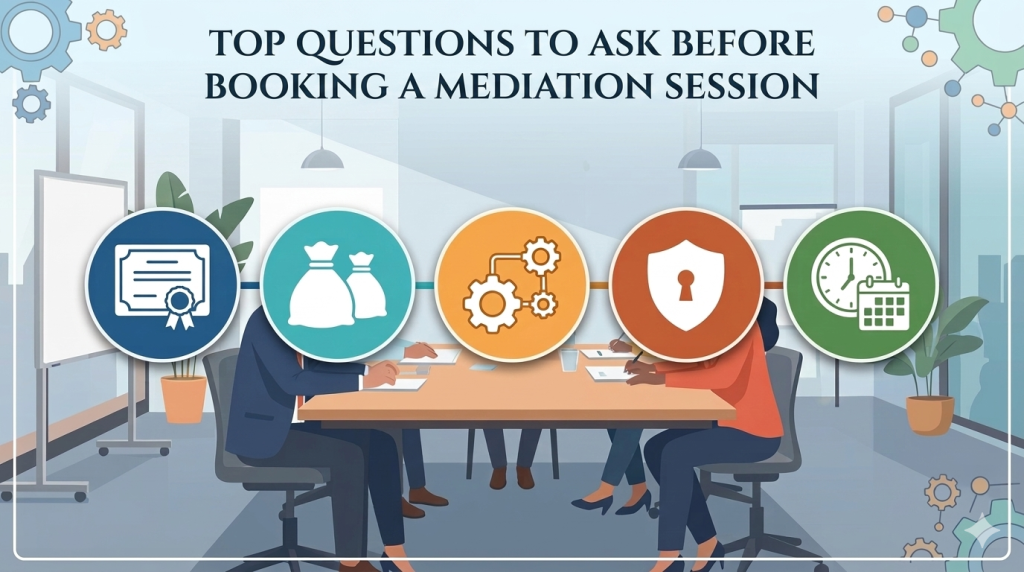
When conflicts arise—whether in business, partnerships, contracts, or personal matters—many people turn to mediation as a faster and less stressful alternative to litigation. Mediation offers a confidential, cost-effective, and cooperative way to resolve disputes. However, before scheduling a mediation session, it’s important to make sure the process, the mediator, and the expectations align with your situation.
Asking the right questions beforehand can save time, money, and frustration. It also helps you feel confident that you’re choosing the right mediation service for your needs.
Here are some of the most important questions you should ask before booking a mediation session.
What Experience Does the Mediator Have?
Not all mediators specialize in the same types of disputes. Some focus on family conflicts, while others handle commercial or contractual disagreements. Before booking a session, it’s wise to ask about the mediator’s experience with cases similar to yours.
An experienced mediator understands the emotional and legal dynamics of disputes and knows how to guide conversations toward productive solutions. Their ability to remain neutral while helping both parties communicate effectively can make a huge difference in reaching a successful agreement.
Choosing a mediator with the right background ensures that the process runs smoothly and professionally.
How Does the Mediation Process Work?
Many people book mediation without fully understanding what the process involves. Asking how the mediation session will be structured can help reduce anxiety and prepare you for what to expect.
Typically, mediation involves a neutral third party facilitating a conversation between both sides. The mediator helps identify issues, encourages open communication, and works toward a mutually acceptable agreement.
Understanding the process in advance allows both parties to enter the session with realistic expectations and a cooperative mindset.
Is the Mediation Process Confidential?
Confidentiality is one of the biggest advantages of mediation. Unlike court proceedings, which are often public, mediation discussions are usually private.
Before scheduling your session, confirm that the mediator follows strict confidentiality guidelines. This ensures that anything discussed during the session remains protected and cannot be used against either party later in court.
Knowing that the conversation is confidential encourages honesty and openness, which are key to resolving disputes effectively.
What Are the Costs and Payment Structure?
Another important question to ask is about the cost of mediation services. Mediation is generally far more affordable than traditional litigation, but fees can vary depending on the complexity of the dispute and the duration of the session.
Ask whether the mediator charges hourly rates, flat fees, or session-based pricing. Also clarify how the costs will be divided between the parties involved.
Understanding the financial aspect beforehand helps avoid misunderstandings later.
How Long Does a Mediation Session Usually Take?
Every dispute is unique, so the length of mediation can vary. Some issues are resolved in just a few hours, while others may require multiple sessions.
Asking about the typical timeline gives you a better idea of how much time to set aside and what the overall process might look like.
The goal of mediation is not to rush decisions but to create a balanced environment where both parties can discuss their concerns and reach a fair agreement.
What Happens If an Agreement Is Reached?
One of the most important questions to ask is what happens after both parties reach an agreement.
In many cases, the mediator will help draft a written agreement outlining the terms that both sides have accepted. This document may then be signed and can sometimes be made legally binding, depending on the situation.
Clarifying this step ensures that everyone understands how the final resolution will be documented and implemented.
What If Mediation Does Not Resolve the Dispute?
While mediation is highly effective, not every dispute is resolved in a single session. It’s helpful to ask what the next steps might be if an agreement cannot be reached.
Some parties choose to schedule additional mediation sessions, while others may move forward with arbitration or legal proceedings.
Knowing your options in advance provides clarity and helps you make informed decisions throughout the process.
Why Asking the Right Questions Matters
Booking a mediation session is an important step toward resolving a dispute peacefully and professionally. By asking thoughtful questions beforehand, you can ensure that the mediator, the process, and the expectations are all aligned with your goals.
The right preparation helps create a more productive environment where both parties feel heard, respected, and motivated to find common ground.
At the end of the day, mediation isn’t just about resolving conflict—it’s about rebuilding communication and moving forward with confidence.
Frequently Asked Questions (FAQs)
Before mediation, gather any relevant documents, contracts, emails, or evidence related to the dispute. It’s also helpful to clearly outline your concerns and the outcome you hope to achieve.
Mediation has a high success rate because it encourages cooperation and open communication. Many disputes are resolved without the need for costly court proceedings.
Yes, mediation works best when both parties voluntarily agree to participate and are open to discussing possible solutions.
The mediation process itself is not legally binding, but agreements reached during mediation can become legally binding once both parties sign a written settlement.
Yes. Mediation is typically much faster than litigation. Many disputes can be resolved in a single session or a few meetings.