
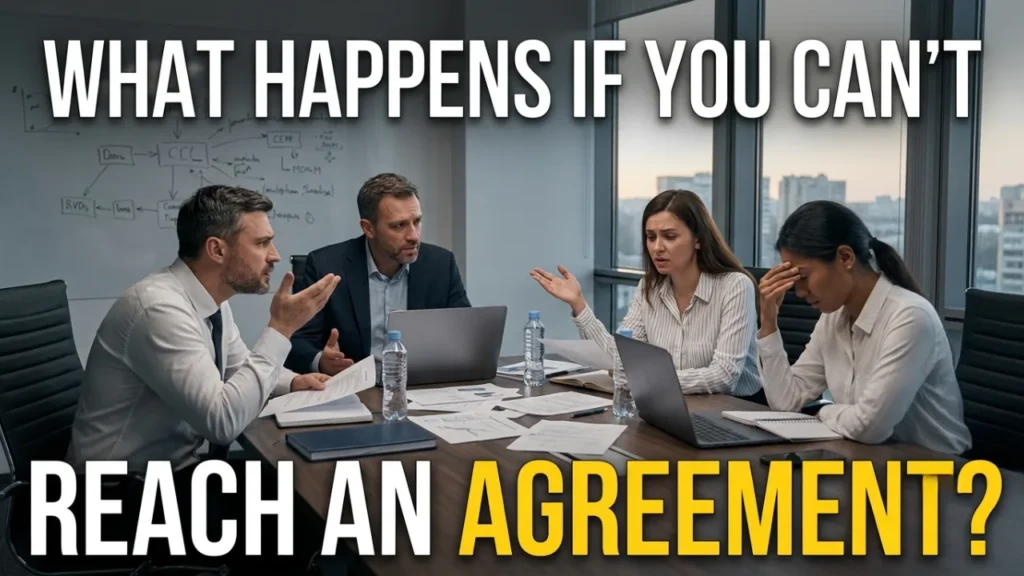
Disputes are an unavoidable part of life, whether they arise in business relationships, personal matters, or contractual dealings. When two parties find themselves at a standstill, the path forward can feel uncertain and overwhelming. However, failing to reach an agreement does not mean the situation is hopeless. There are structured, professional processes designed to help people resolve conflicts without enduring the stress and expense of courtroom litigation.
Understanding your options early can save you significant time, money, and emotional strain.
Why Agreements Sometimes Fail
Even when both parties enter negotiations in good faith, reaching a resolution is not always possible. Several factors can cause talks to break down:
- Deeply held positions that neither side is willing to compromise on
- Incomplete or misunderstood information about the facts of the dispute
- Emotional tension that prevents rational and productive communication
- Significant power imbalances between the parties involved
- Legal complexities that require specialized expertise to untangle
When these barriers arise, external intervention becomes necessary to move the conversation forward.
The Role of Mediation
Mediation is one of the most effective and widely used methods for resolving disputes outside of court. A neutral third party, known as a mediator, facilitates structured conversations between the disputing parties to help them reach a voluntary agreement. Mediation services in Florida are available for a wide range of disputes, including family matters, employment conflicts, real estate disagreements, and business-related issues.
A certified civil mediator in Miami is trained to guide both parties through a fair and impartial process. The mediator does not make decisions but instead helps each side clearly communicate their needs, understand the other perspective, and explore creative solutions. The process is confidential, cost-effective, and often faster than traditional litigation.
Key benefits of mediation include:
- Preserving relationships between the parties involved
- Allowing both sides to have control over the final outcome
- Maintaining complete confidentiality throughout the process
- Reducing legal costs significantly compared to court proceedings
- Reaching a resolution in a shorter timeframe
When Mediation Does Not Work
In some cases, even with the assistance of a skilled mediator, parties cannot agree. When mediation reaches an impasse, arbitration becomes a practical alternative. Arbitration services in Miami provide a more formal dispute resolution process where a neutral arbitrator or panel reviews evidence and arguments from both sides before issuing a binding or non-binding decision.
Unlike mediation, arbitration produces a definitive outcome. Many commercial contracts include arbitration clauses precisely because of this reliability. It combines the structure of a legal proceeding with the flexibility and privacy of an alternative dispute resolution method.
Commercial Disputes Require Specialized Approaches
Business disputes often involve significant financial stakes, complex agreements, and relationships that may need to continue after the conflict is resolved. Commercial mediation in Florida is specifically designed to address these unique challenges. Whether the disagreement involves contract breaches, partnership disputes, or vendor conflicts, commercial mediation provides a professional environment where experienced mediators help businesses find workable solutions.
Taking the Next Step
If you find yourself unable to reach an agreement, it is important to act promptly rather than allowing the dispute to escalate. Consider the following steps:
- Consult with a qualified dispute resolution professional to understand your options
- Gather all relevant documents, contracts, and communications related to the matter
- Approach the process with an open mind and a willingness to listen
- Choose the right method, whether mediation or arbitration, based on the nature of your dispute
Unresolved disputes rarely improve on their own. Seeking professional assistance through proven dispute resolution methods gives both parties the best opportunity to move forward with clarity and confidence.