How the Contract Dispute Resolution Process Work
Learn effective contract dispute resolution methods including negotiation, mediation, and arbitration.Resolve business conflicts efficiently.

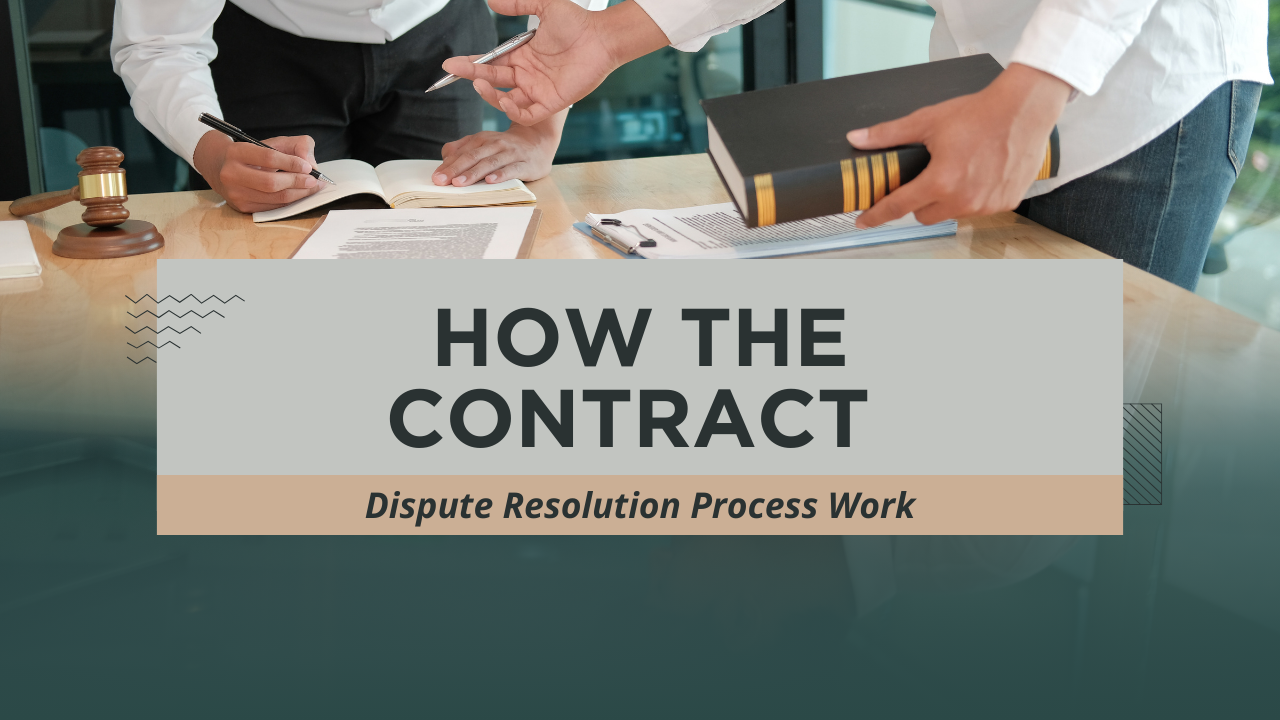
Contract disputes are an inevitable part of business relationships. Whether you’re dealing with a vendor, client, or partner, understanding the contract dispute resolution process can save time, money, and professional relationships. Here’s everything you need to know about resolving contractual conflicts effectively.
Understanding Contract Disputes
A contract dispute arises when one or more parties disagree about the terms, performance, or interpretation of a contractual agreement. Common causes include breach of contract, missed deadlines, quality issues, payment disagreements, and unclear contract language. Recognizing the root cause is the first step toward resolution.
Step 1: Review the Contract Terms
Before taking action, thoroughly review your contract. Most agreements include a dispute resolution clause that outlines specific procedures for handling conflicts. This clause may specify negotiation periods, mediation requirements, or arbitration processes. Understanding these terms is crucial for proceeding correctly.
Step 2: Direct Negotiation
The most cost-effective approach is direct negotiation between parties. Open communication often resolves misunderstandings without formal proceedings. Document all discussions in writing and maintain professional courtesy throughout the process. Many disputes end at this stage when both parties demonstrate willingness to compromise.
Step 3: Mediation
If negotiation fails, mediation offers a structured yet flexible solution. A neutral third-party mediator facilitates discussion between disputing parties to reach a mutually acceptable agreement. Mediation is typically faster and less expensive than litigation while preserving business relationships. The process remains confidential and non-binding unless an agreement is reached.
Step 4: Arbitration
Arbitration involves presenting your case to an impartial arbitrator who makes a binding decision. This process resembles a court trial but occurs in a private setting with simplified procedures. Arbitration clauses in contracts often make this step mandatory before litigation. While more formal than mediation, arbitration still offers faster resolution than traditional court proceedings.
Step 5: Litigation
When all alternative methods fail, litigation becomes necessary. This involves filing a lawsuit in civil court where a judge or jury decides the outcome. Litigation is the most expensive and time-consuming option but provides enforceable legal judgments. Consider this path only when other resolution methods have been exhausted.
Best Practices for Contract Dispute Resolution
Maintain detailed records of all contractual communications and transactions. Respond promptly to disputes to prevent escalation. Consider seeking legal counsel early to understand your rights and obligations. Choose resolution methods that align with your business goals and relationship priorities.
Conclusion
Effective contract dispute resolution requires patience, clear communication, and understanding of available options. By following these steps and prioritizing amicable solutions, businesses can resolve conflicts efficiently while minimizing costs and preserving valuable partnerships. Remember, prevention through clear contract drafting remains the best strategy for avoiding disputes altogether.
Promotional Line: Don’t let contract conflicts disrupt your Florida business. Our contract mediation services in Florida deliver fast, cost-effective resolutions that keep you out of court and focused on success.Book Now!