
Workplace Conflict in Florida- Mediation Before You File an HR Complaint
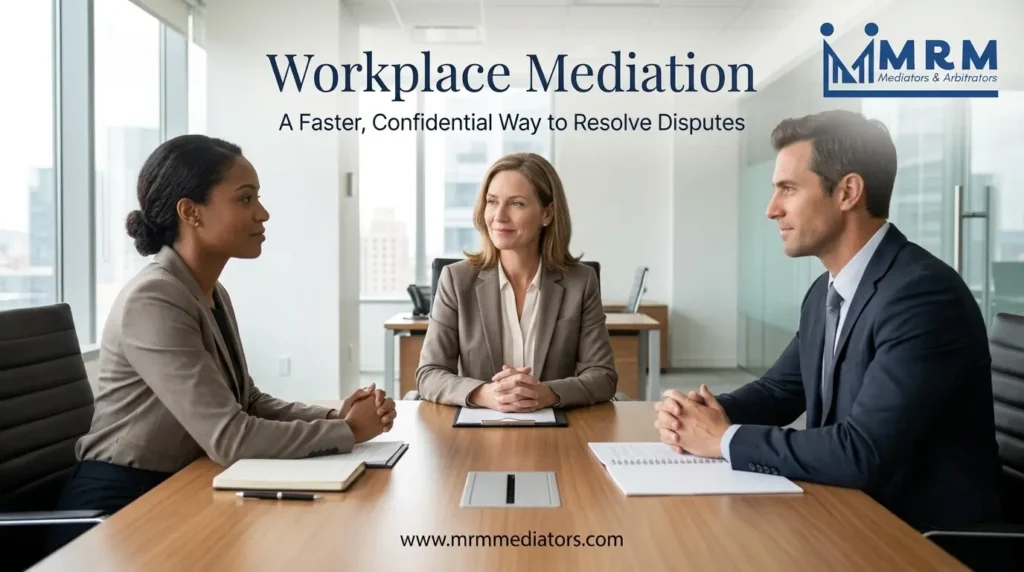
Workplace mediation is a voluntary, confidential process where a neutral, trained mediator helps an employee and employer talk through a dispute and reach a written agreement — without a lawsuit, without a drawn-out investigation, and often within a single session. If you’re weighing whether to escalate a conflict at work, workplace mediation is usually the faster, cheaper, and less damaging first step.
Here’s what that actually looks like in practice, and why so many employees and employers are choosing it over the traditional complaint-and-investigate route.
Why People Hesitate Before Filing a Formal Complaint
Most people don’t walk into HR lightly. There’s a real fear that filing a formal complaint will label you as “difficult,” strain relationships with coworkers, or trigger a slow, bureaucratic process that leaves everyone worse off than when it started. And that fear isn’t unfounded — a formal grievance often becomes part of a permanent record, invites a defensive response from the other party, and can take weeks or months to resolve, all while the working relationship keeps deteriorating.
Workplace mediation short-circuits that cycle. Instead of building a case, you’re building a conversation. Instead of a verdict handed down by HR or a manager, both sides shape the outcome themselves.
How Workplace Mediation Actually Works
A workplace mediation session typically follows a predictable rhythm:
1. The opening session.
Both parties sit down with the mediator, who explains the ground rules — confidentiality, voluntary participation, and mutual respect. Each side gets a chance to describe the issue in their own words, without interruption.
2. Private caucuses-
The mediator then usually separates the parties into different rooms (or virtual breakout sessions) and talks with each side privately. This is where a lot of the real movement happens — people are often far more candid one-on-one than they are across the table from someone they’re in conflict with.
3. Shuttle negotiation-
The mediator carries proposals and concerns back and forth, helping each side understand what actually matters to the other — which is often not what it looked like on the surface.
4. Resolution-
If the parties reach common ground, the mediator drafts a memorandum of understanding or settlement agreement. This document can address anything from a formal apology and revised reporting structure to severance terms or back pay — and once signed, it typically closes the matter for good.
A mediator is not a judge. They don’t decide who’s right. Their entire job is to keep the conversation productive and help both sides find a resolution they can actually live with.
What Kinds of Disputes Go to Workplace Mediation?
Workplace mediators handle a wide range of issues, including-
- Wage and hour disagreements, unpaid overtime, and severance negotiations
- Discrimination or harassment complaints, including EEOC-related charges
- Wrongful termination and disputes over disciplinary action
- Interpersonal conflict, communication breakdowns, and claims of a hostile work environment
- Manager-employee friction that’s affecting team performance but hasn’t (yet) become a legal matter
Not every dispute needs a courtroom or even a formal charge. A surprising number of workplace conflicts are really about miscommunication, unmet expectations, or a breakdown in trust — and those are exactly the kinds of issues workplace mediation is built to solve.
The Real Advantages of Choosing Workplace Mediation First
It’s dramatically cheaper-
Litigation can run into tens of thousands of dollars in legal fees before a case even reaches trial. A mediated resolution is typically resolved in one or two sessions.
It’s fast-
Where a lawsuit or a formal EEOC charge can take a year or longer to resolve, workplace mediation sessions are often scheduled within weeks and completed in a single day.
It’s private-
What’s said in mediation generally stays in mediation. Unlike a courtroom filing, there’s no public record of the dispute, which protects both the employee’s professional reputation and the employer’s business standing.
Both sides keep control-
No mediator can force an outcome on either party. That single fact changes the tone of the whole process — people negotiate differently when they know they can walk away rather than have a decision imposed on them.
Relationships can survive it-
Because workplace mediation is collaborative rather than adversarial, it’s one of the few dispute resolution paths where the employee and employer can come out the other side still able to work together, if that’s the goal.
Should You Try Workplace Mediation Before Filing a Formal Complaint?
If the relationship with your employer or coworker isn’t fully broken — if there’s still a version of this where you can both walk away satisfied — workplace mediation is almost always worth trying first. Even where a formal EEOC charge has already been filed, the agency’s own mediation program routinely resolves cases without either party ever setting foot in a hearing room.
That said, workplace mediation isn’t the right tool for every situation. If there’s an immediate safety concern, ongoing retaliation, or a pattern of misconduct that needs to be formally documented and investigated, a direct HR complaint — or legal counsel — may need to come first.
FAQs About Workplace Mediation
1.Is workplace mediation with the EEOC worth it?
For most charges, yes. It’s faster than the standard investigation process, keeps the details confidential, and gives both sides a say in the outcome rather than waiting on an agency determination.
2.What should you not say during workplace mediation?
Avoid ultimatums, personal attacks, or statements that assume bad faith on the other side. Workplace mediation works best when both parties focus on interests and solutions rather than assigning blame.
3.Does workplace mediation mean settlement?
Not automatically. Mediation creates the opportunity for settlement, but either party can decline any proposed terms. Many cases do resolve at this stage, though — it’s one reason the EEOC offers it before a full investigation begins.
4.Do most workplace disputes actually settle in mediation?
A large majority of mediated workplace disputes end in some form of agreement, precisely because both sides have direct input into the outcome instead of waiting for someone else to decide it for them.
If you’re dealing with a workplace dispute and want to explore mediation before things escalate, MRM Mediators can help you understand whether it’s the right first step for your situation.